.jpg)
WorkSafe inspections put residential fall risks in focus
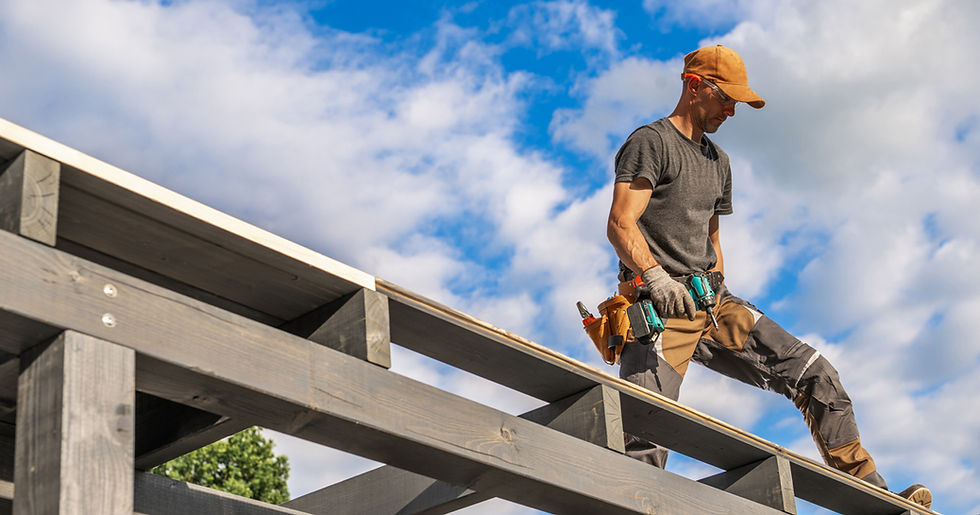
WorkSafe is visiting residential construction sites nationwide from October to December, with a focus on preventing falls from height – a risk that also applies to landscapers in hardscape construction or softscape maintenance
WorkSafe says construction is being targeted because of the high numbers of deaths and serious injuries in the sector. The visits will provide opportunities to discuss safety practices with businesses and workers, offer guidance and gather information about how risks are being managed.
WorkSafe Head of Inspectorate Rob Pope said the assessments help businesses and workers understand their health and safety responsibilities. Information gathered will also inform the regulator’s work to support businesses in preventing harm.
Fall risks in landscaping
A WorkSafe spokesperson says working at height is a leading cause of serious injury and death in New Zealand, and landscapers have the same duties as other businesses when their work creates a risk of an injurious fall.
“Landscapers are subject to the same health and safety duties for working at height as other businesses when their work creates a risk of a fall that could cause injury,” the spokesperson said.
Relevant work can include building pergolas, retaining walls, decks and garden structures; using ladders, scaffolds or elevated work platforms; and working near edges, embankments or openings.
Businesses must manage these risks under the Health and Safety at Work Act 2015 and associated regulations.
“The duty is risk-based and applies whenever there is a risk of injury from a fall, not just in construction work,” the spokesperson says.
WorkSafe’s working-at-height guidance states that there is no minimum height threshold below which fall risks can be ignored. Short-duration jobs also require a risk assessment and appropriate fall-prevention measures.
The guidance prioritises eliminating the risk where reasonably practicable, such as completing work at ground level. Where elimination is not reasonably practicable, businesses must minimise the risk using suitable controls. These can include scaffolding, edge protection and appropriate access equipment. Workers must also be consulted when decisions are made about managing risks associated with their work.
What inspectors will look for
WorkSafe says many construction assessments take place without prior notice because sites and activities change frequently.
An assessment generally involves conversations with the manager or owner and workers, observation of workplace practices, closer examination of any concerns, and a review of relevant documents.
Inspectors check whether the practices described in conversations match what happens on site. They consider worker training, equipment safety and how businesses manage risks alongside contractors. Construction assessments commonly focus on working at height, vehicles and machinery, and exposure to harmful dusts and fumes.
Businesses should continue working normally, answer questions openly and have relevant health and safety information available.
An assessment does not necessarily indicate a complaint or an existing problem. However, enforcement action may be required where risks are identified, including a directive letter or improvement notice setting out changes that must be made.

